
Your professional image
Prepare a professional portrait that suits you
Before choosing a background or an outfit, a simple question: where will this portrait represent you?
About 5 minutes of reading
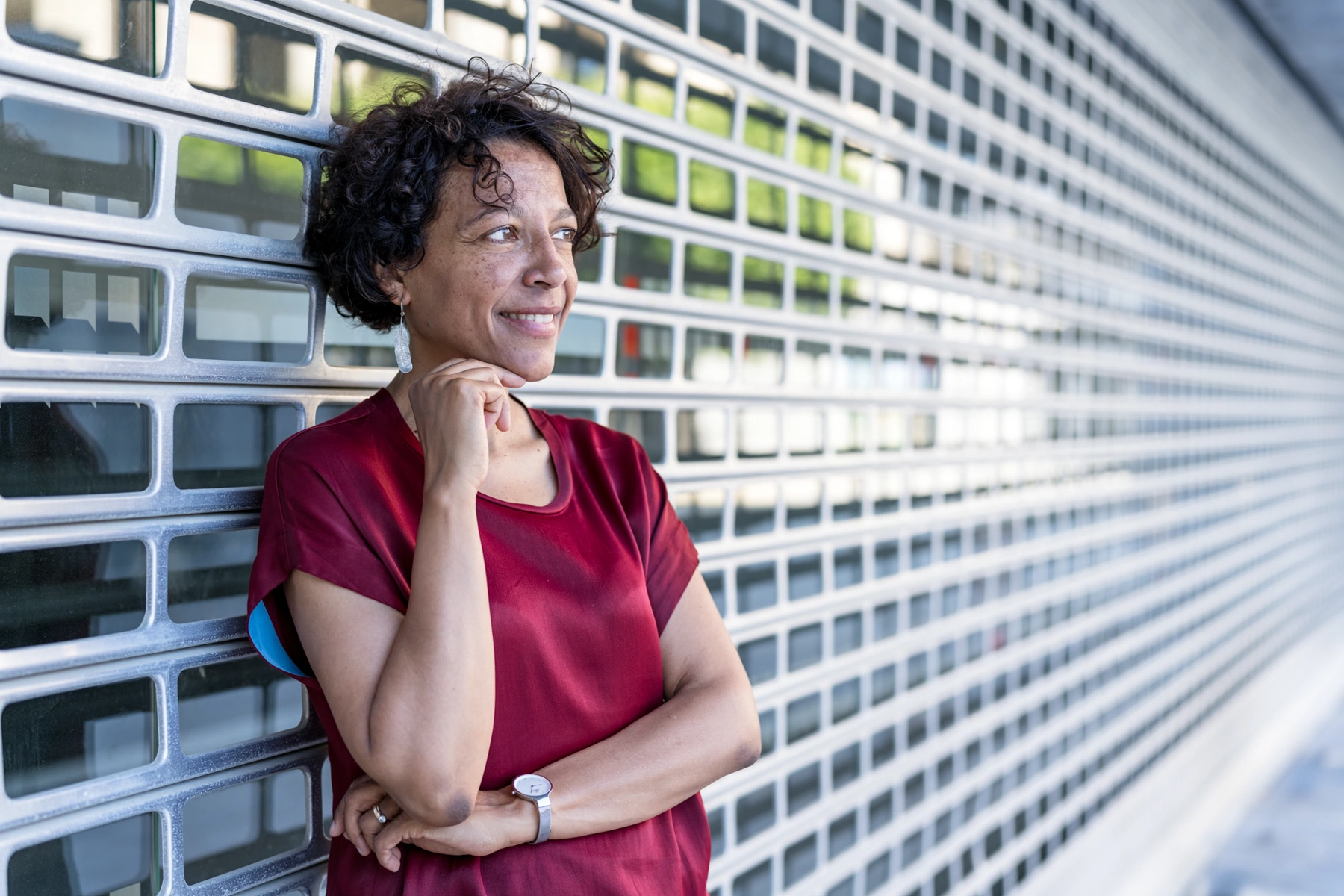
A professional outdoor portrait. The location, outfit and posture together make up the image.
In this article
In a few words
Preparing for a professional portrait starts with how it will be used: LinkedIn, your website, press or a presentation. Choose an outfit that suits your work and share any required formats. We then agree on the background, lighting and framing.
- The media on which the portrait will be used.
- An outfit consistent with your activity.
- The formats, the number of people and the desired deadline.
Where will you use your portrait?
A LinkedIn profile photo, a “team” page, a speaker presentation or your business website do not always use images in the same way. Before we talk about poses or backgrounds, tell me where your portrait will be seen.
A small circular profile picture needs a clearly recognisable face. A photograph beside website text may need space around you. If a designer or communications team is preparing the layout, their guidance will help us before the session.
I also like to know who you are addressing and how you want to present yourself. Accessible, calm, assertive, creative: we can translate these intentions into choices of light, outfit and expression. You must be able to use these images while feeling in your place.
An outfit that suits your work.
Start with what you would wear to meet the people the image is intended for. Depending on your job and your way of working, it could be a jacket, a shirt, a sweater or specific professional attire.
Check the fit by sitting down and crossing your arms. Look at the collar, the sleeves and the way the garment hangs. A comfortable outfit will give you more freedom during shooting.
If the session format allows it, a second option may be useful. We can compare two colors or vary the degree of formality. Very shiny fabrics, small tight patterns and large logos require a little attention; show them to me if you have any doubt.
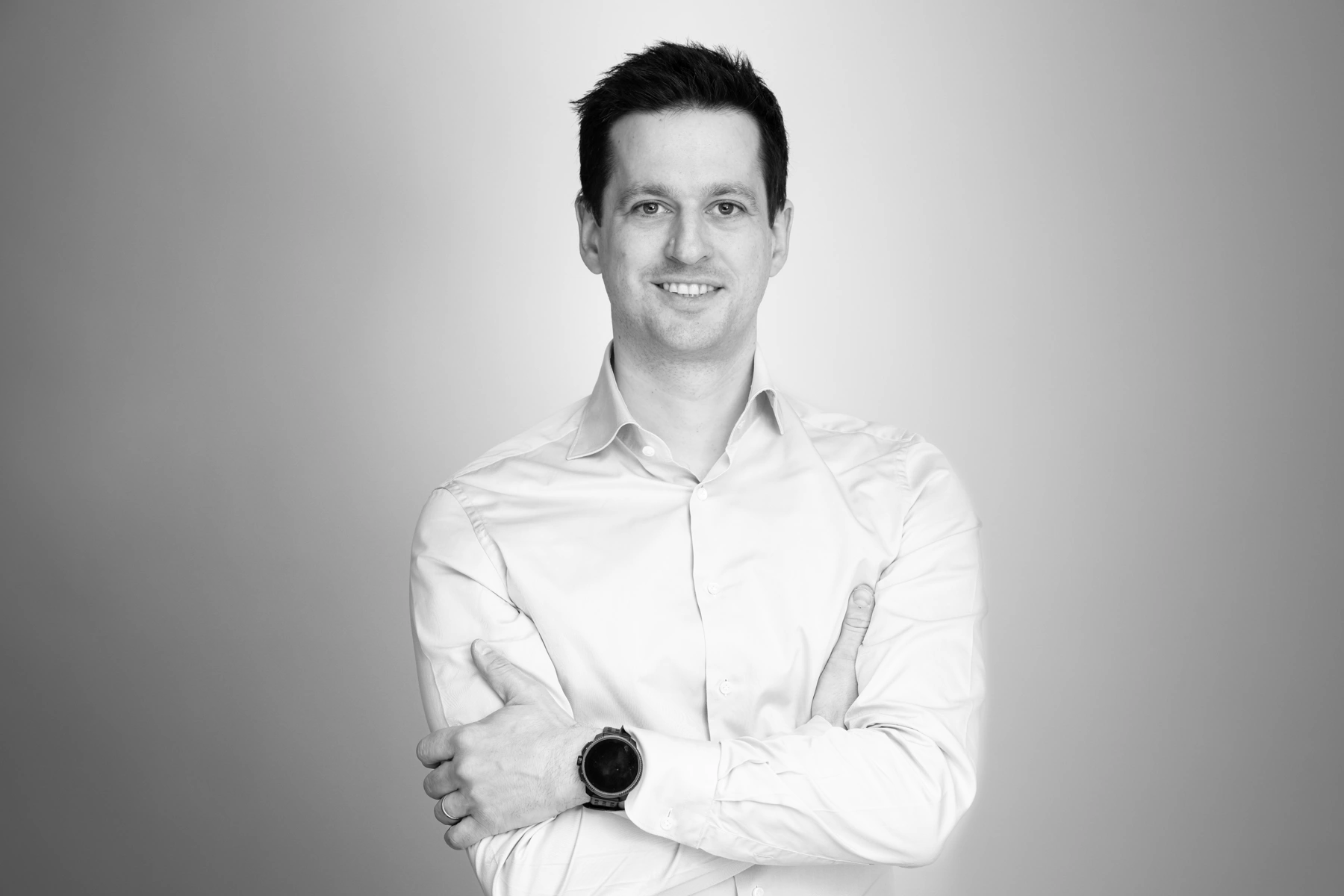
The background provides context.
A simple background keeps attention on your face. A workplace can add context to your role. Outdoors, the architecture and light bring a different atmosphere. There is no single right choice for every profession.
For a team, we plan consistency across the portraits: framing, background, light and the position of the face. Existing portraits of colleagues can serve as a reference. It also helps to plan how new team members will fit into the series later.
I make the professional portraits in the studio and in business. We choose the device according to the number of people, the use of the photographs, the time available and the constraints of the location.
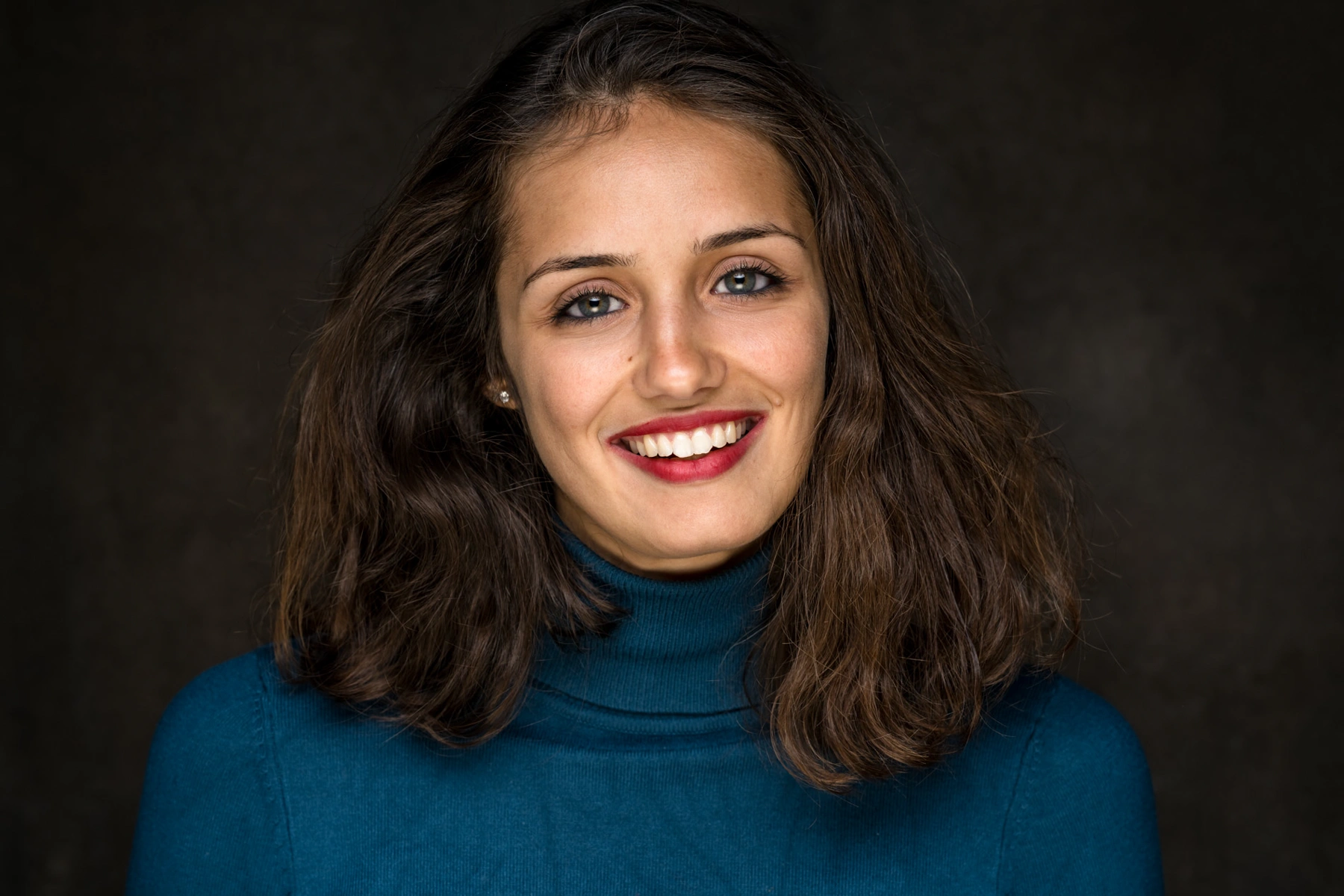
I will guide you throughout the shoot.
You do not need to practise expressions in a mirror. I suggest simple positions, then we refine the portrait with small adjustments to your shoulders, hands, gaze and expression.
We can try an open smile, then a calmer expression. The aim is to create photographs that work for you while staying true to who you are. If a pose feels artificial, tell me. We will try another approach.
To prepare an image for multiple media, we will talk about framing and the space needed around you. A very tight format will not always be able to become a large banner. It’s better to know these needs before shooting.
A little information is enough to get started.
- Your activity and the people you address.
- The planned media: LinkedIn, site, press, presentation or other uses.
- The requested formats and any indications from your communications team.
- The number of people to be photographed and the planned location.
- The date you need the images by.
If you don't have all of these answers, we can clarify them together. The photographs to be delivered, the retouching, the deadline and the agreed uses will be clarified before starting.
And if your first concern is simply not being comfortable in front of the device, I also wrote a few words about this apprehension. This is a subject that we can address from our first exchange.
Practical questions
What outfit to choose for a professional portrait?
Start from what you would wear to meet the people your image is intended for. Check the comfort, collar and fit as you sit down. A second outfit can be useful if the session format allows it.
What information should you prepare before the professional session?
Specify your activity, the planned media, the requested formats, the number of people, the planned location and the date on which the images will be needed. Guidance from your communications team is also useful.